Paying $400 to Be Alone in a Room They Designed for You Is Not Freedom
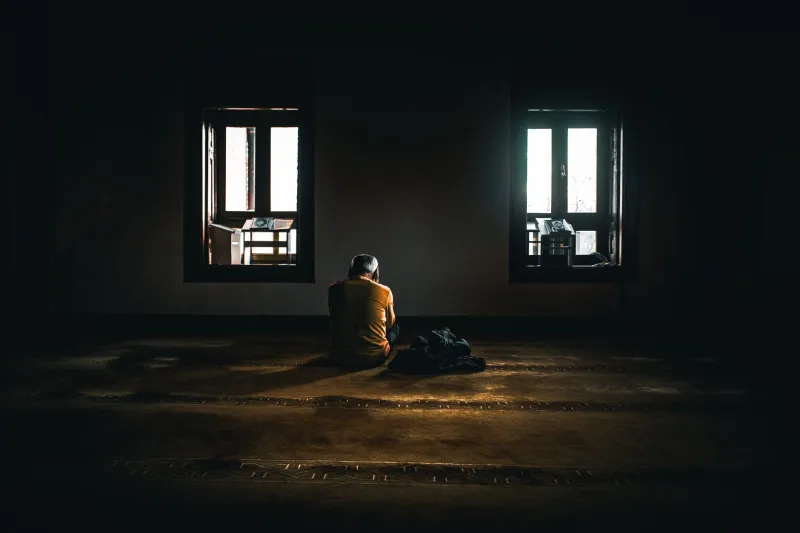
Solitude used to be something that happened to you — on a bad week, between jobs, after a breakup. Now it's a $400-a-night experience with a linen robe and a curated playlist of rain sounds. Somehow, the thing capitalism was most afraid of — you, alone, not buying anything — became the thing capitalism figured out how to sell.
Welcome to the Loneliness Industrial Complex. Population: everyone who downloaded Calm and still cried in the shower.
The Rebranding of Being Alone
Let's run the historical tape back about fifteen minutes. For most of recent memory, isolation was a symptom. It was what your therapist gently circled during intake. It showed up in public health reports alongside words like "epidemic" and "crisis." Former Surgeon General Vivek Murthy wrote an entire advisory about it. The message was consistent: being alone too much is bad for you, and American culture — with its crumbling third places, 60-hour work weeks, and suburban sprawl — was making it worse.
Then, somewhere between the pandemic and the rise of the $22 adaptogen latte, the narrative flipped. Suddenly, being alone wasn't a red flag. It was a practice. It had intentionality. It was something you could optimize, monetize, and post a tasteful photo of with the caption "protecting my peace."
The product didn't change. The packaging did. And the price went up.
The Wellness Industrial Complex Needed a New SKU
Here's the thing about the wellness industry: it runs on a very specific engine. That engine needs you to feel vaguely broken — not catastrophically, not in a way that requires actual medical intervention — just enough to spend $18 on a supplement or $34.99 a month on an app that tells you to breathe. It is, structurally, a business model that profits from your discomfort while never fully resolving it.
For years, the industry sold connection. Community classes. Accountability partners. Group breathwork where you cry next to a stranger and call it healing. But somewhere along the way, the market got saturated. Everyone was doing sound baths together. The group retreat was getting crowded.
So the pivot happened. Solitude got a rebrand. Now it's "solo retreat season." It's "digital detox weekends" at $600-a-night properties in upstate New York where there's no WiFi but there is a QR code for the welcome gift basket. It's Airbnb listings that lead with the phrase "perfect for a solo reset" as though you are a laptop that just needs to clear its cache.
The loneliness they spent years pathologizing? They're now selling it back to you with a eucalyptus candle on the nightstand.
Who Gets to Have Acceptable Solitude
Here's where it gets genuinely weird, and also a little enraging.
The kind of aloneness being sold as enlightened self-care is extremely specific. It's quiet. It's clean. It happens in spaces with good natural light and zero financial stress. It involves journaling, not doomscrolling. It is, essentially, the aloneness of someone who has their basic needs met so thoroughly that being alone feels like luxury rather than abandonment.
Meanwhile, the kind of aloneness that most people actually live — the kind that comes from working too much, moving to a new city, losing a relationship, aging without community, existing in a country that structurally dismantled its social infrastructure — that aloneness is still a problem. That aloneness still gets you a pamphlet. That aloneness is not aspirational.
The difference between "lonely" and "in solitude" in America right now is largely financial. Which is maybe the most honest thing the wellness industry has accidentally said out loud.
The Meditation App Is Not Your Friend, It's Your Landlord
Let's talk about the apps for a second, because they deserve their own paragraph of scrutiny.
Headspace. Calm. Insight Timer. Ten Percent Happier. These are not neutral tools. They are subscription products that have a direct financial interest in you never fully achieving the mental equilibrium they promise. The business model requires that peace remain just one more month of premium membership away.
And the content they serve? It is relentlessly individualistic. Breathe your breath. Notice your thoughts. Calm your nervous system. The implicit message is that your stress is a personal failing, not a structural condition. That the antidote to a 50-hour work week and a broken healthcare system is four minutes of box breathing before you log back in.
That's not wellness. That's maintenance. It's keeping the machine running well enough to stay productive. The app isn't helping you escape the grind — it's helping you survive it long enough to keep paying for the app.
The Actual Case for Being Alone (Which Is Free)
None of this is to say solitude is bad. Being alone — genuinely, uncommercialized, unscheduled, unoptimized alone — is actually kind of great. Humans need it. Silence is real. Sitting with yourself without performing it for an Instagram story or journaling in a $90 Leuchtturm notebook is legitimately valuable.
The problem isn't solitude. The problem is that the moment something has genuine human value, the market shows up with a premium tier.
You don't need a digital detox retreat. You need your phone in another room. You don't need a solo travel experience curated by a wellness brand. You need a long drive with no podcast. You don't need a $200 float tank session to understand your own interior life — although fine, float tanks are genuinely kind of wild, no notes.
The version of aloneness that actually helps you doesn't require a credit card. It requires time, which in this economy is arguably harder to get. And that's the real scam — not that they're selling you solitude, but that they've made unscheduled, uncommercial time feel so impossible that you have to pay someone to give you permission to have it.
Opt Out of the Opt-Out Package
The loneliness epidemic is real. The social disconnection is real. The exhaustion and the overstimulation and the desperate need for silence are all real. None of that is manufactured.
But the solution being offered — the premium aloneness, the monetized mindfulness, the $400 room where you finally get to sit quietly — is not a solution. It's a product that profits from the same conditions it claims to address.
Real solitude is free, unbranded, and slightly uncomfortable. It doesn't have a soundtrack. It doesn't come with a welcome letter from the founder. It doesn't require a cancellation policy.
Be alone on your own terms. Weird, unproductive, unoptimized, no-content-to-show-for-it alone. That's the one they can't monetize. That's the one worth protecting.