Realness Is a Budget Line: How 'Authentic' Became the Most Expensive Word in Marketing
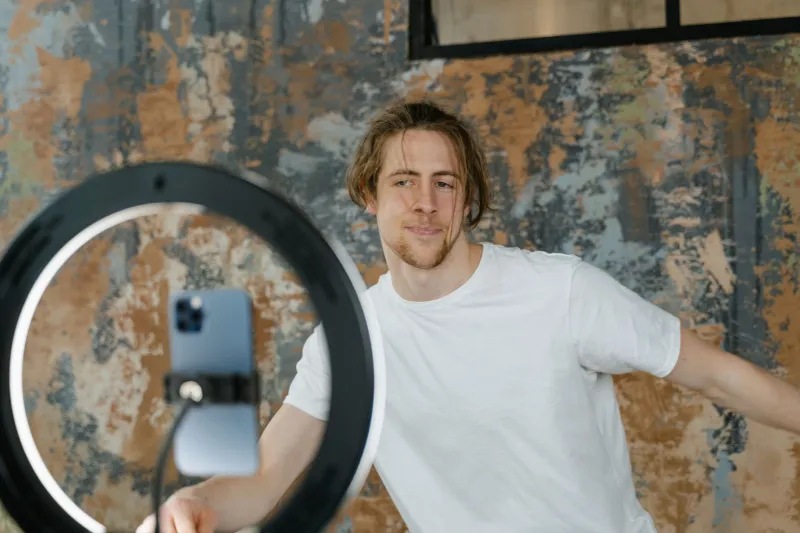
Let's set the scene. A creator films themselves crying in their car. No ring light. Hair a little messy. Mascara doing its thing. The caption reads: just needed to be honest with you guys. Within 48 hours, the video has 4.2 million views, a brand deal for a mental wellness app, and a follow-up YouTube video titled "what I've learned from being vulnerable online." That one has a mid-roll ad.
Congratulations. You just watched a business meeting disguised as a breakdown.
This is where we live now — in the golden age of manufactured realness, where the most calculated moves wear the least makeup, and where "no filter" is itself a filter. The pursuit of authenticity has become so aggressively optimized that genuine human moments are now functionally indistinguishable from a Q3 content strategy. And the wild part? We know this. We can feel it. And we keep watching anyway.
The Authenticity Arms Race Nobody Admitted We Were Running
It didn't happen overnight. It crept in somewhere around 2012, when brands started talking like your slightly-too-online college roommate and influencers started performing the kind of casual intimacy that used to only exist between best friends at 2 a.m. The logic was simple: people trust people, not logos. So become a person. Or at least, perform one convincingly enough.
By the mid-2010s, "authentic content" was a full industry term — workshopped in agency decks, A/B tested in social media dashboards, and measured by engagement metrics that rewarded confessional energy and punished anything that looked too polished. The market had spoken: raw was the new refined. So everyone got raw. On purpose. With a content calendar.
Now here we are, watching multi-million-dollar media companies instruct their talent on how to seem like they're not reading from a script while reading from a script. The paradox has completed its loop. Authenticity is now the most expensive aesthetic you can buy.
Vulnerability as a Conversion Funnel
Here's the part that should bother you more than it probably does: vulnerability works. Not because people are gullible — they're not — but because the emotional circuitry that responds to genuine human pain doesn't come with a fraud detector. Your nervous system can't tell the difference between a creator who's genuinely falling apart and one who's been coached on how to pause before the big admission for maximum impact.
Brands figured this out and promptly lost their minds about it. We now live in a world where a fast food chain tweets something self-deprecating and gets called "brave." Where a CEO writes a LinkedIn post about their "darkest moment" that just happens to pivot into a lesson about company culture. Where a celebrity's public struggle with burnout is announced via a press release sent to People magazine.
The tell, if you're looking for one, is always the resolution. Genuine vulnerability is messy and inconclusive. It doesn't come with a lesson. It doesn't end with a product recommendation or a plug for a new podcast. But manufactured vulnerability? It always has a tidy third act. There's always something being sold — if not a product, then a personal brand, which is really just a product with better PR.
The Realness Paradox: The More You Chase It, the Faker It Gets
Here's the genuinely cursed thing about authenticity as a marketing strategy: the moment you decide to be authentic, you've already failed. Authenticity, by its nature, can't be decided. It can't be scheduled. You can't put "seem real" on a content calendar without immediately making it untrue.
And yet, that's exactly what's happening at scale. There are entire consulting firms — actual businesses with actual offices and actual people who went to actual colleges — devoted to teaching brands and creators how to appear unscripted. There are workshops on "casual tone." There are brand guidelines that include the phrase "should feel spontaneous." The industry has essentially invented a job title for people who professionally pretend things aren't planned.
The result is a kind of uncanny valley of personality. You can almost believe it. It hits most of the emotional cues. But something in the back of your skull keeps whispering that you've been here before, that this arc is familiar, that the timing of this "unguarded moment" is a little too convenient. That feeling is you noticing the seams. The production didn't want you to notice the seams.
So What Does Real Even Look Like Anymore?
This is the question that keeps internet culture spinning in increasingly anxious circles. We've been burned enough times that genuine moments now get interrogated as aggressively as obvious fakes. When something actually unscripted happens — a live slip, an accidental overshare, a creator visibly spiraling without the usual narrative scaffolding — the comment sections fill up with people asking: but is this real though?
We've trained ourselves into a corner. The authenticity scam didn't just commodify realness — it made us suspicious of it. Now everything gets the side-eye. The crying video, the no-makeup selfie, the "I almost quit" post, the carefully disheveled photo shoot that's supposed to look like a Tuesday morning — it all goes through the same mental filter: who benefits from this, and how?
Which, honestly? That's not the worst reflex to have. Critical media literacy is a survival skill at this point. But it's also a little exhausting to live in a world where your first response to someone's pain is to check if it's monetized.
Kharupt's Hot Take: Stop Asking for Real and Start Asking for Interesting
Here's a reframe that might actually help: maybe "authentic" was always the wrong thing to want from public figures and brands. Authenticity implies unmediated truth, and literally nothing that reaches you through a screen is unmediated. Every creator is making choices. Every brand is constructing a persona. The question isn't whether something is real — it's whether it's honest about what it is.
There's a difference between a creator who says "I'm going through something hard" and one who says "I'm going through something hard, and here's a 15% discount code." One is performing vulnerability. The other is just doing a sponsored post about feelings, which is at least transparent about the transaction.
The most genuinely disruptive thing anyone could do right now — creator, brand, or rogue Substack writer — is drop the authenticity costume entirely. Stop performing realness. Start being legible. Tell people what you're doing and why. Own the constructed nature of your public presence instead of pretending the camera just happened to be on during your most relatable moment.
That won't be packaged as authentic. It'll be something weirder and harder to market. But it might actually be true.
And at this point, true is so rare it might just break the internet.