Skip the Scroll. Go Spend Money on Something Your Group Chat Can’t Categorize.
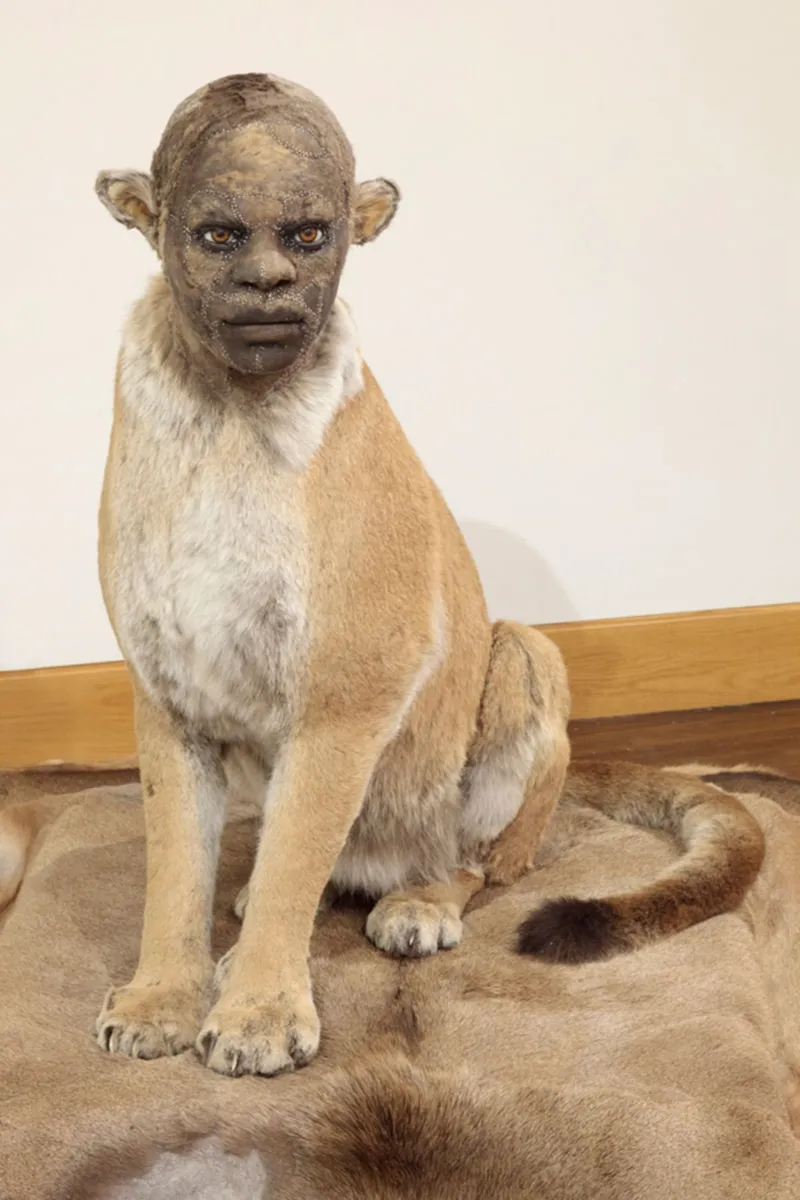
Photo: taxidermy class local oddity shop, via i.natgeofe.com
Your weekend is about to be ruined by a good idea. Not a productivity hack. Not a new app. A taxidermy class. An oddball supper club. A museum with a hand-painted sign and a website last updated during the Obama administration. This is the weirdo economy, and it is hiding in plain sight, three blocks from the same brunch spot everyone photographs and nobody enjoys.
What Counts as the Weirdo Economy?
The weirdo economy is made of local businesses and experiences that do not fit a neat category. It is the shop that sells taxidermy, vintage pornography, and homemade jam in the same room. It is the supper club where strangers eat a five-course meal themed around a dead poet. It is the museum dedicated to a niche obsession—bottles, bugs, medical oddities, a local inventor who may or may not have been a genius. It is the class where you learn to make something you cannot explain to your group chat.
These places are not optimized for the feed. They are not trying to go viral. They are trying to survive, which makes them more interesting than most things that are trying to go viral.
Why It’s a Rebellion Against Sameness
We are not here to romanticize every dusty shop. Some weird places are just bad businesses with good branding. But the weirdo economy matters because it is inefficient in the best way. It rewards curiosity over scale. It keeps money in a neighborhood. It gives people a reason to leave the house that is not “I need a package” or “I need to be seen.”
The algorithm wants you to believe that your taste is a recommendation engine. The weirdo economy says your taste can be a Tuesday night in a church basement learning how to preserve a squirrel. That is not a metaphor. That is a real class in many American towns, and it costs less than a concert ticket.
A Field Guide for Your Weekend
Start with the taxidermy class. You do not have to be macabre. You do not have to be good at it. You just have to show up and let a patient instructor guide you through a process that is part craft, part biology, part therapy for people who like to control things. If taxidermy is too much, try a weird craft: mushroom dyeing, spoon carving, bookbinding, making a lamp out of a bone. The point is to make something with your hands while a stranger tells you a story.
Next, visit the niche museum. Every city has one. If you are near Los Angeles, the Museum of Jurassic Technology is a masterclass in uncategorizable wonder. If you are near Philadelphia, the Mütter Museum will make you grateful for modern medicine. If you are near St. Louis, the City Museum is what happens when a fever dream gets a building permit. But you do not need a famous one. Look for the local historical society that has a single room and a volunteer who knows everything.
Then find an oddball supper club. Search for “secret supper,” “theme dinner,” or “community table” plus your city. You may end up eating a meal with strangers who argue about film. You may end up in a backyard with a guy who makes his own bitters. Either way, you will have a better story than “I scrolled.”
Finally, buy something you cannot categorize. A jar of locally made something. A book from a store that also sells taxidermy. A ticket to a show in a former laundromat. The purchase is a vote. You are telling your city that weirdness is allowed to exist.
The Budget Is the Point
This is not a luxury guide. The weirdo economy is often cheap. A $15 museum ticket. A $30 class. A $20 supper club contribution. A $10 oddity from a thrift store. The point is not to spend more. The point is to spend differently—on texture, memory, and the kind of weekend that does not evaporate the moment you close the app.
Compare that to the default plan: $6 iced coffee, $40 delivery, $12 streaming subscription, and a vague sense of having done nothing. The weirdo economy is not anti-convenience. It is pro-consequence. You might meet a weird person. You might learn something. You might be bored for ten minutes and then delighted. That is called being alive.
How to Find It Without Ruining It
Use the internet as a tool, not a tour guide. Search for “odd” plus your city. Search for “society,” “guild,” “historical,” “taxidermy,” “collector,” “supper club.” Read the library bulletin board. Ask a bartender who has been in town for more than a decade. Follow local artists, not influencers. When you find a weird place, go before you post. The feed can have it later. Your presence is the point.
And if you find a place that is genuinely terrible—rude, unsafe, a scam—leave a one-star review. That is also part of the ecosystem. The weirdo economy is not a cult. It is a marketplace of human experiments. Some experiments fail. The good ones deserve your $15.
At Kharupt, we are not saying every weekend needs to be an adventure. We are saying the same weekend is a choice. Skip the scroll. Go spend money on something your group chat can’t categorize. Your city is weirder than your feed. Act accordingly.