Congratulations, Your Vulnerability Is Now Content

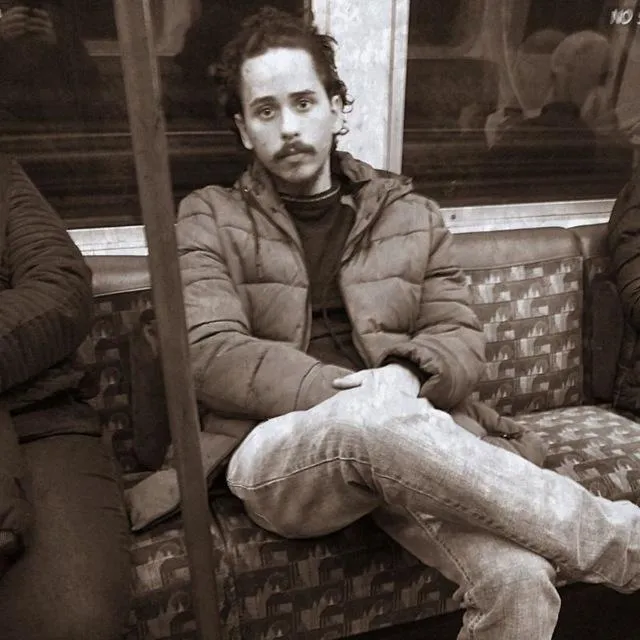
Photo by Photo by Eduardo Gorghetto on Unsplash on Unsplash
Somewhere between the ring light and the tearful confession, something went terribly, hilariously wrong.
We asked the internet for honesty. We begged for it. We were so tired of the highlight reels — the perfect vacations, the aspirational smoothies, the abs that existed in a dimension most of us will never visit. And the internet, being the deeply chaotic entity it is, listened. It gave us "authentic" content. Raw. Unfiltered. Real.
Except none of it is. And we all kind of know it. And yet here we are, watching someone cry in their car for the third time this week and nodding like we're witnessing something sacred.
The Aesthetics of Falling Apart
There's a specific visual language to online authenticity now, and it is extremely produced. Slightly messy hair — but not actually messy. A bedroom that looks lived-in but still somehow has good natural lighting. The camera tilted at an angle that says "I just grabbed my phone" but which, if you've ever tried to replicate it, requires about fifteen minutes of adjusting. The voice that cracks at exactly the right moment.
This is not an accident. This is craft. And there's nothing wrong with craft — except when the entire premise of the craft is that you're not crafting anything.
We've arrived at a place where the performance of non-performance has become one of the most refined performance styles on the internet. The "I'm not like other creators" creator is now its own extremely populated category. The "I just wanted to be honest with you guys" video has a formula. You can buy a course on it.
The Recursive Authenticity Trap
Here's where it gets genuinely weird — and genuinely exhausting. Once you become aware that authenticity is a performance, you have two options. You can stop performing authenticity. Or you can perform being aware that authenticity is a performance, which is just authenticity with extra steps and a philosophy minor.
This is the trap. It's recursive, it's dizzying, and it has quietly become the dominant psychological experience of being a person who exists online in 2024.
Creators who've been doing this long enough know the feeling: you have a real moment — actual grief, actual joy, actual confusion about your life — and your first thought is not to sit with it. Your first thought is whether it's postable. Whether it's relatable enough. Whether the realness of the moment translates, or whether you need to slightly amplify it so people in the back can feel it too.
And then you post it. And then you watch the numbers. And then you feel weird about watching the numbers. And then you post about feeling weird about watching the numbers. And the cycle eats itself alive, beautifully, forever.
The Relatability Industrial Complex
American internet culture specifically has a complicated relationship with this because we have a deeply American obsession with the idea of the "real" person. We love an underdog story. We love someone who "keeps it 100." We are suspicious of polish and drawn to the rough edges — or at least, we're drawn to rough edges that have been lightly sanded for comfort.
This is why the relatability industrial complex is worth naming as its own thing. It's an entire content economy built on manufacturing the feeling of recognition. She's just like me. He gets it. Finally, someone who says the quiet part loud. These feelings are real, even when what produces them isn't. Which makes the whole thing even more disorienting, because the emotional response is genuine but the stimulus was engineered.
You were moved by something that was designed to move you. Is that manipulation? Is it just storytelling? Is there even a difference anymore?
The Ones Who Stopped Pretending
Here's the actually interesting development: a growing number of creators have opted out of the authenticity arms race entirely, and they're doing something far more interesting as a result.
Instead of performing realness, they're performing constructed-ness. Leaning into the artifice. Making the frame visible. Some of them are essentially doing Brechtian theater on TikTok, which is a sentence that would have meant nothing five years ago and now just means "they're kind of weird and it works."
These are the creators who will switch personas mid-video without explanation. Who will acknowledge the camera in ways that break the fourth wall so completely the wall never gets a chance to exist. Who will make something deeply, obviously fictional and then tag it #authentic just to watch people's heads spin.
They're not more honest, exactly. But they're more honest about their dishonesty, which, paradoxically, lands as more trustworthy than someone insisting they're giving you the unvarnished truth while their ring light bounces off a carefully arranged emotional wreckage.
What You Actually Want When You Ask for Real
Maybe the ask was never really for authenticity. Maybe what people wanted — what they've always wanted — was resonance. Something that maps onto their own experience and makes them feel less alone in it. And resonance doesn't require truth. It requires skill.
A novelist isn't being authentic when they write a character who cries in their car. They're being good. The emotion is real even if the event is invented. The connection is real even if the person is fictional.
The creators who've figured this out — who've stopped chasing the myth of the unmediated self and started just making things that hit — are doing something that's older and stranger and more durable than any authenticity trend. They're doing art. Weird, messy, algorithm-gaming, comment-section-baiting art, but art.
The authenticity era will pass, the way all eras pass. What'll be left is the stuff that was actually interesting underneath all the oversharing. The question is whether you can find it before it drowns in someone else's car-cry video.
Kharupt is rooting for the weirdos who stopped explaining themselves.